
Lessons in Liberatory Leadership and Leader Well-Being from the Rebus Luminary Fellowship.
Across higher education and the nonprofit sector, leaders carry heavy, systemic burdens. Too often, they are expected to navigate these challenges through relentless self-sacrifice. But what happens when we shift our focus from grind culture to human wholeness?
We are honored to feature a guest reflection by Apurva Ashok, Executive Director of The Rebus Foundation, a global non-profit advancing liberatory futures through education by championing collaboration, human-centric approaches, and open practices. In this post, Apurva reflects on her personal journey of creating the Rebus Luminary Fellowship for education leaders in partnership with Leadership Learning Community—drawing on the Liberatory Leadership Framework to examine what it looks like to support leader well-being. Through this experience, she offers a powerful reminder: to sustain our movements, we must fund, support, and care for the human beings behind the work.
I. Abundance
There is a place where I never expected to feel at peace. Nestled between bluffs and beaches is a retreat and working farm with a redwood barn, sunlit greenhouse, and ocean-facing platforms. Time slows here, and everything in my vicinity comes into sharper focus. The early morning fog envelops me like a hug, the colours of the trees seem brighter, and the waves of the ocean lap rhythmically. I had arrived at Miramar Farms for a leadership retreat with a cohort of fellow non-profit executives, expecting heavy agendas rather than stillness. Somehow amidst shared conversations, walks, and meals, the noise and worry of the world quietened, and I felt myself settle.
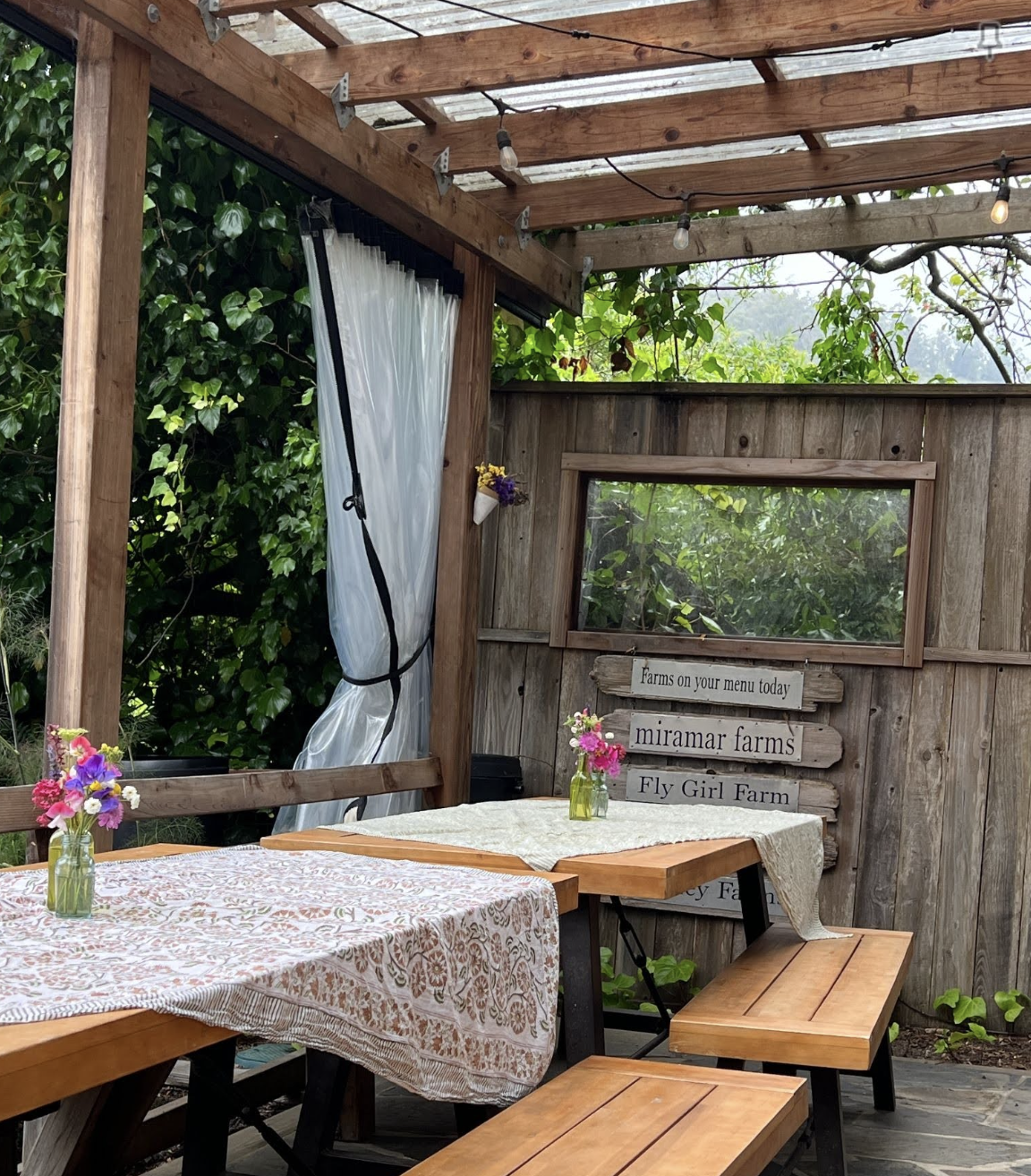
Figure 1: The pergola at Miramar Farms.
Looking back, I realize the seed for the Rebus Luminary Fellowship for Education Leaders was planted here, long before I had the vocabulary to name it.
When I first stepped into executive leadership at The Rebus Foundation, I wrestled with imposter syndrome. I felt too young, too different, and was deeply aware that I didn’t have all the systems fully fleshed out. I wondered how others have juggled responsibilities in the past, as wearing multiple hats felt challenging to say the least. I remember asking LLC about other leaders: “What constitutes doing this work well?”
Arriving at Half Moon Bay, I still didn’t know the answer. Turns out, others didn’t either. However, I stayed open to welcoming what was offered.
In the non-profit world, and specifically in the field of education, where our work is public service, the service mindset is taken advantage of all too often. Leaders are expected to make magic happen with shrinking budgets, little to no support, and continuous self-sacrifice. But sitting in rooms with other leaders sharing their deepest truths, I felt a genuine investment in my wholeness that felt counter to what my peers were experiencing. Contracts turned into connections, and there was a network of people who were willing to pour into me, expecting nothing in return.
In my first two years of executive leadership, I was offered so much: through connections made with the Leadership Learning Community (LLC), I was introduced to Tara Robertson, a DEI consultant and executive coach. I attended several transformative in-person trainings and retreats. I received coaching and strategic guidance from Elizabeth Rood, Marigold Strategy (Debika Shome and Samantha Hackney), The Women’s Impact Alliance, Rockwood Leadership Institute, and Raw Signal Group (Melissa and Johnathan Nightingale). I accessed mentorship from peers in the education network and the Rebus Board. I also had the consistent support from my parents through daily conversations and in ways that words cannot capture.
Each opportunity was transformational for my development and growth as a leader. With every gift and every connection, a question began to echo in my mind:
What if other educators could experience the safety, support, and gentle cheers of 50 people standing beside them, too?
II. Forgotten Foundations
Across higher education, change-makers are burnt out as institutions endlessly chase the “next big thing.” Philanthropy compounds this strain by funding specific outcomes over basic operational support or professional development. The irony is stark: both fields are designed to build ladders, pillars, and bridges for society, yet the people maintaining these structures are left with no foundation beneath them.
At Rebus, our focus has always been community. Our mission is to help educators rediscover their passion, potential, and purpose. And with our sense that “something is breaking” in our movements (Ana Polanco), we wanted to act: offering healing through the Rebus Luminary Fellowship.
To bring the Luminary vision to life, Rebus paired our core strengths- programmatic instruction, community building, and deep field knowledge- with LLC’s expertise in liberatory leadership frameworks, sensory-rich event design, and integrated somatic practices. We gathered a cohort of 15 education leaders to embark on an expenses-paid training and retreat.
III. Radical Simplicity
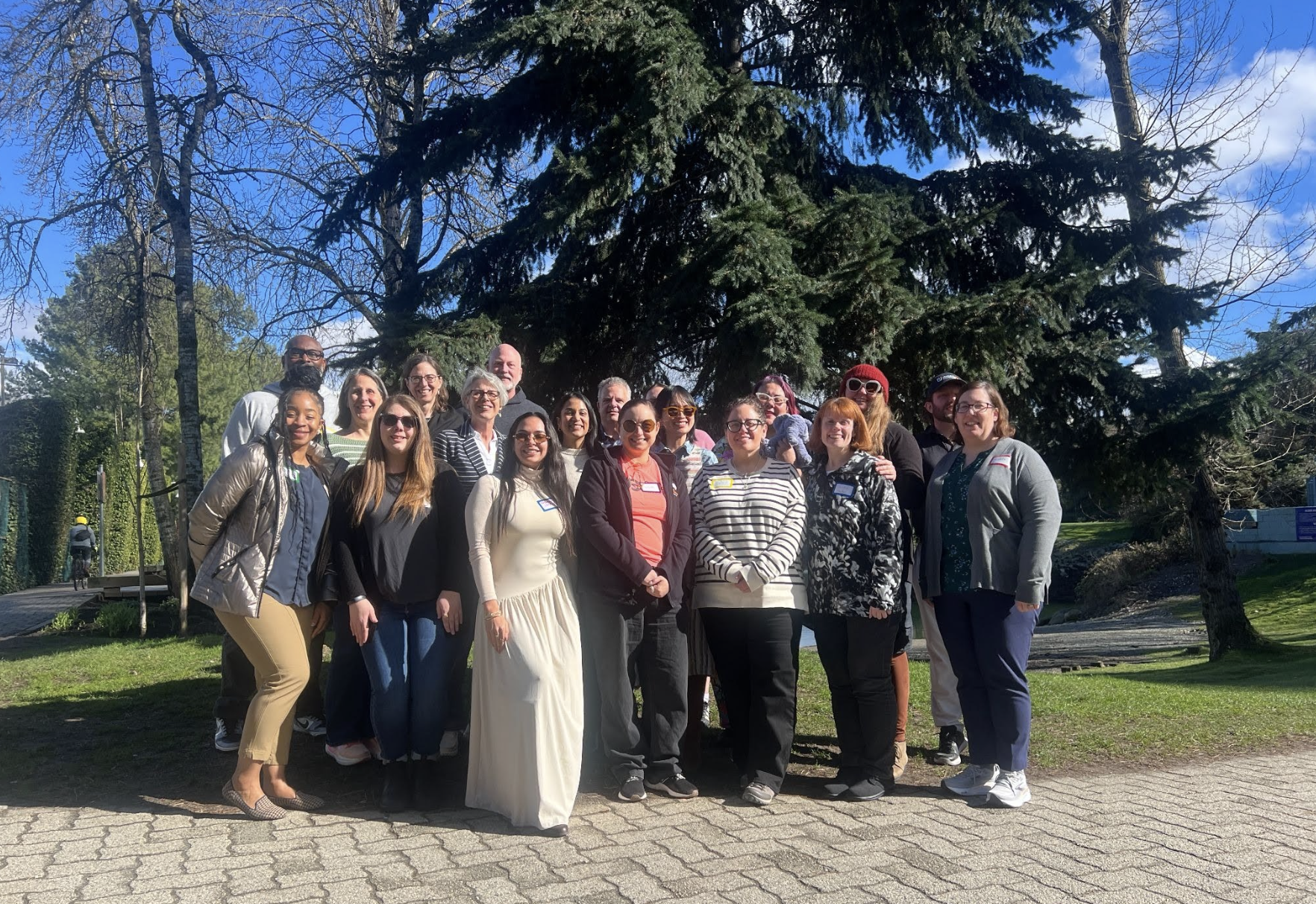
Throughout the Luminary Fellowship, Rebus and LLC applied the Liberatory Leadership Framework. The framework isn’t a complex, technical blueprint—it is a return to common-sense foundational truths that oppressive, extractive systems have alienated us from. We know that while the framework offers a powerful orientation, each leader must tailor its application to their unique environment and circumstances. Together, we wondered, What might it mean to apply liberatory frameworks in rigid, traditional spaces like post-secondary education?
My colleague Amber Hoye, Rebus’ Director of Programs, had a simple hypothesis: liberatory work must start inward before it moves outward. She offered a model of concentric circles to help our Fellows understand their leadership: starting with themselves, moving outward to their team, and further expanding to their community.
With our Fellows, we noticed a shift early in our virtual communities of practice when they were finally offered a safe, brave space to name their “monsters,” and speak honestly about the unrelenting weight of grind culture and institutional pressures. Two things happened at once.
First, there was a collective sigh. You could physically feel a weight lift off the room as things that were normally kept unspoken were finally given air. Leaders hold in so much that they cannot always share with their teams, Boards, or personal networks. In our calls, honesty and raw feeling were permitted. There were tears, long silences, and deep introspection.
Second, there was what I can only describe as an expansion through contraction. Naming the strain allowed us to exhale and take more room as individuals, as a cohort, as a network; at the same time as it pulled everyone an inch closer together in profound intimacy. As one Fellow, Bryce Smedley, gently reminded us: we are not alone in these roles, in these challenges, or in these feelings.

For myself and the Rebus team, we were struck by how radical yet simple the liberatory framework was to put into action. Some ways we found ourselves leaning into it were by:
- Encouraging play: Prior to the kickoff, we surprised Fellows with care packages at their doors, with candle-making kits, teas, a meditation, and stickers, so they could rest as they chose and begin to adopt a culture of care.
- Honoring wholeness: During the in-person gathering, Tara asked Fellows to realign with their values, rather than their titles and affiliations, so they might have a compass to guide them in their journeys ahead. As we got to know each other’s values, monsters, hopes, and even favourite songs, the message was straightforward: You matter, and we want to honour you in your fullness.
- Slowing down: At the in-person gathering, Nikki and Alex from LLC walked us through the eco-cycle in a session reminding us how nature operates in seasons of rest, decomposition, and regeneration, and that leaders follow these rhythms too. We asked Fellows to pull cards from The Nap Ministry’s Rest Deck every day, with messages and reminders to push back against grind culture and, instead, slow down.
Through the Luminary Fellowship, we began to internalize the truth that liberation and leadership are intertwined in a continuous cycle of tending, mending, and steadying.
IV. Metamorphosis
Going into this program, one of our central questions was: Who leads the leaders?
The answer we arrived at is simple: We all do.
There is no singular, anointed leader of leaders. It is the network. It is the practice of standing in service of one another. We see this culture of care continuing to live on well past the end of our official Fellowship, both with Fellows and at Rebus. Seeing that the cohort continues to meet and reading their thoughtful reflections has been unexpected and deeply moving. This November, Rebus will carry these practices forward with the Rising Tides Open Education Leadership Program in partnership with BCcampus.
I am fulfilled to see educators around me basking in the same networks of support that once gave me confidence. Seeing collaboration rise above competition. Trusting in the shared truth that LLC artfully articulates:
“When we return to and are rooted in an inner knowing of abundance, we realize that we have and are everything we need.”
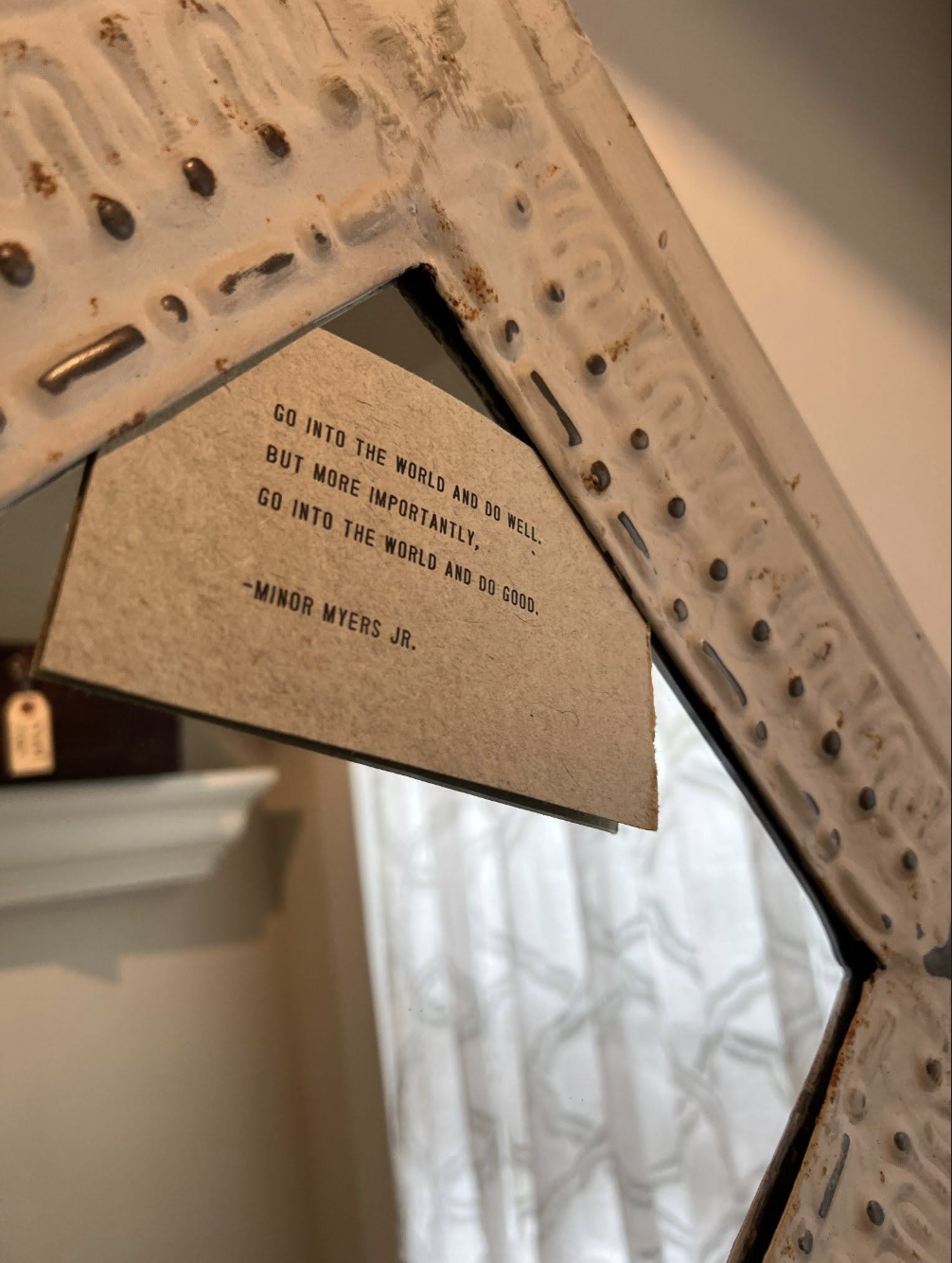
This idea of abundance of people, opportunities, and support weaves with my conception of karma: not about doing good to get something back, but about putting good out into the world, no matter what. That is how leaders show up. That was the message on the walls, literally, at Miramar Farms (see Figure 4). Being supported and doing good are not opposing ideals.
When leaders and funders ask, “How do I invest in people while still advancing my cause?,” the answer is that they are not mutually exclusive. As Shiree Teng reminds us, true social change cannot be born out of urgency or trouble; it must come from love. Investing in your people’s wholeness is how you achieve justice.
Metamorphosis is often invisible while it is happening. You might not see the shift in bloom today, but four years down the road, you look back and realize your entire life feels different. Without the roots laid by my mentors and community around me, the Luminary as we know it wouldn’t exist. I suspect the same could be said for so many of the projects you fund, lead, or participate in.
As you play with the idea of transformation and change, I offer a statement for you to complete: What might it mean if…?
What might it mean if we supported each other in these ways? What might it mean if we believe in the idea of abundance? What might it mean if we gave each other permission to slow down, rest, and celebrate joy? What might the world be?
My wish for every leader in post-secondary education (and beyond!) is that you find that solace – a space to breathe freely and deeply, accept, and honour yourselves – and from that place of quiet safety, step forward as your brightest, most leaderful self.
V. For the Love of Humanity - My Message To Philanthropy and Changemakers
If we want our movements to survive, we must sustain the hearts of the people who power them. This requires reconnecting philanthropy with its roots — philanthrōpía as from philo- ‘to love, be fond of’ and anthrōpos– ‘humankind, mankind’ (Etymonline). To shift philanthropy’s role to bolster thriving leadership by sustaining human wholeness. And for this exemplar to trickle down to every institution and department, so this moves beyond performative support.
True support is not just funding a deliverable; it is funding the human being behind it. It is paying for all-expenses-paid experiences where leaders can rest without guilt, receive coaching, and build lasting communities of practice. Where balance, happiness, and peace at all levels are outcomes that matter.
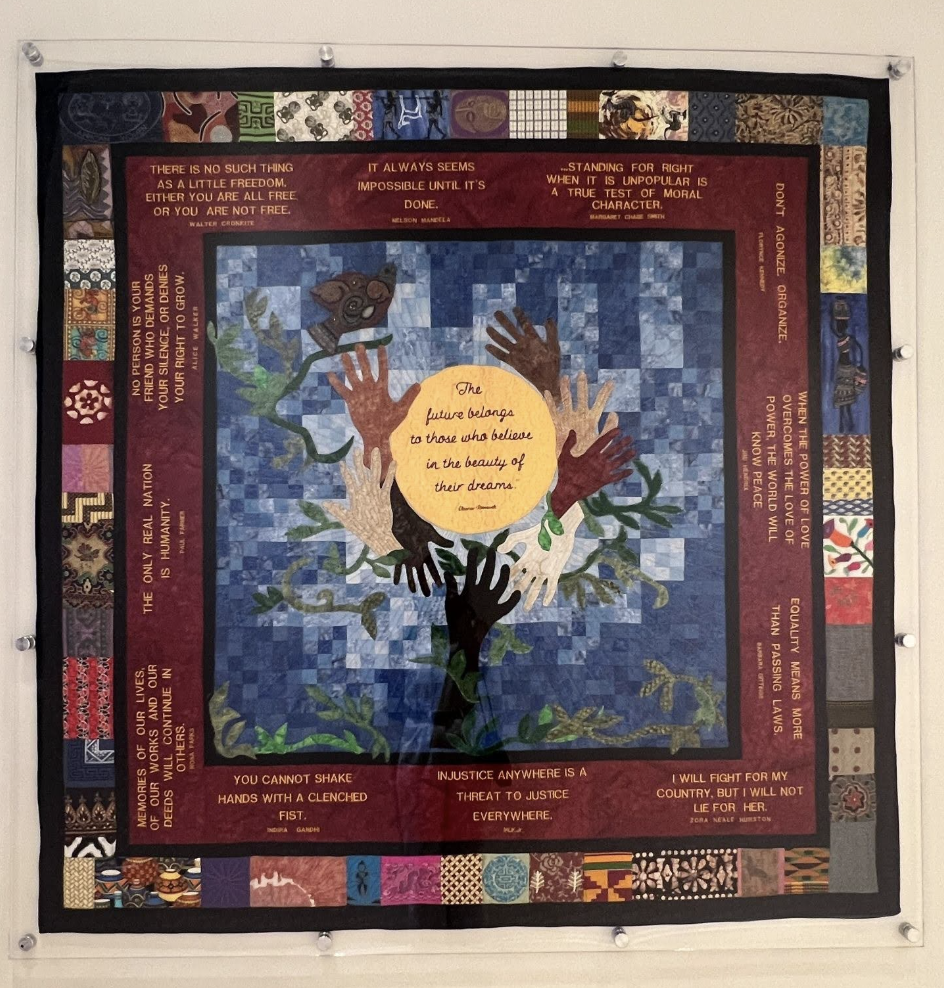
To our funding partners, fellow leaders, and allies: trust that when you give leaders room to breathe, they will pour everything they have into the work. You cannot change the world without supporting the people who live in it. And if you do anyway, it will be all for naught.
As I close, I wonder if this reflection is also the seed of something yet unknown to manifest in a few years’ time. Something that will continue to advocate for spaciousness, joy, and humanity. I’m not quite sure, and either way, I’m at peace.
A special thank you to everyone I mentioned in this post, especially to my team at Rebus: Amber Hoye, Kaitlin Schilling, Victoria Brame, and the LLC team, namely Nikki Dinh, Alexandra Urdaneta, and Iman Mills Gordon.